Mental health refers to our emotional, psychological, and social wellbeing. Taking care of our mental health is just as important as taking care of our physical health. Many people suffer with mental illness and if left untreated, mental health symptoms get worse over time. Our mental health affects how we think, feel, and act. It also helps determine how we handle stress, relate to others, and make healthy choices. Mental health is important at every stage of life, from childhood and adolescence through adulthood. According to the Centers of Disease Control and Prevention (CDC) “although the terms are often used interchangeably, poor mental health and mental illness are not the same. A person can experience poor mental health and not be diagnosed with a mental illness. Likewise, a person diagnosed with a mental illness can experience periods of physical, mental, and social well-being.”
Why is mental health important for overall health?
As mentioned earlier, mental health and physical health are both equally important. Poor mental health can be linked to both physical and psychological health problems, for example, “depression increases the risk for many types of physical health problems, particularly long-lasting conditions like diabetes, heart disease, and stroke” (Centers of Disease Control and Prevention).
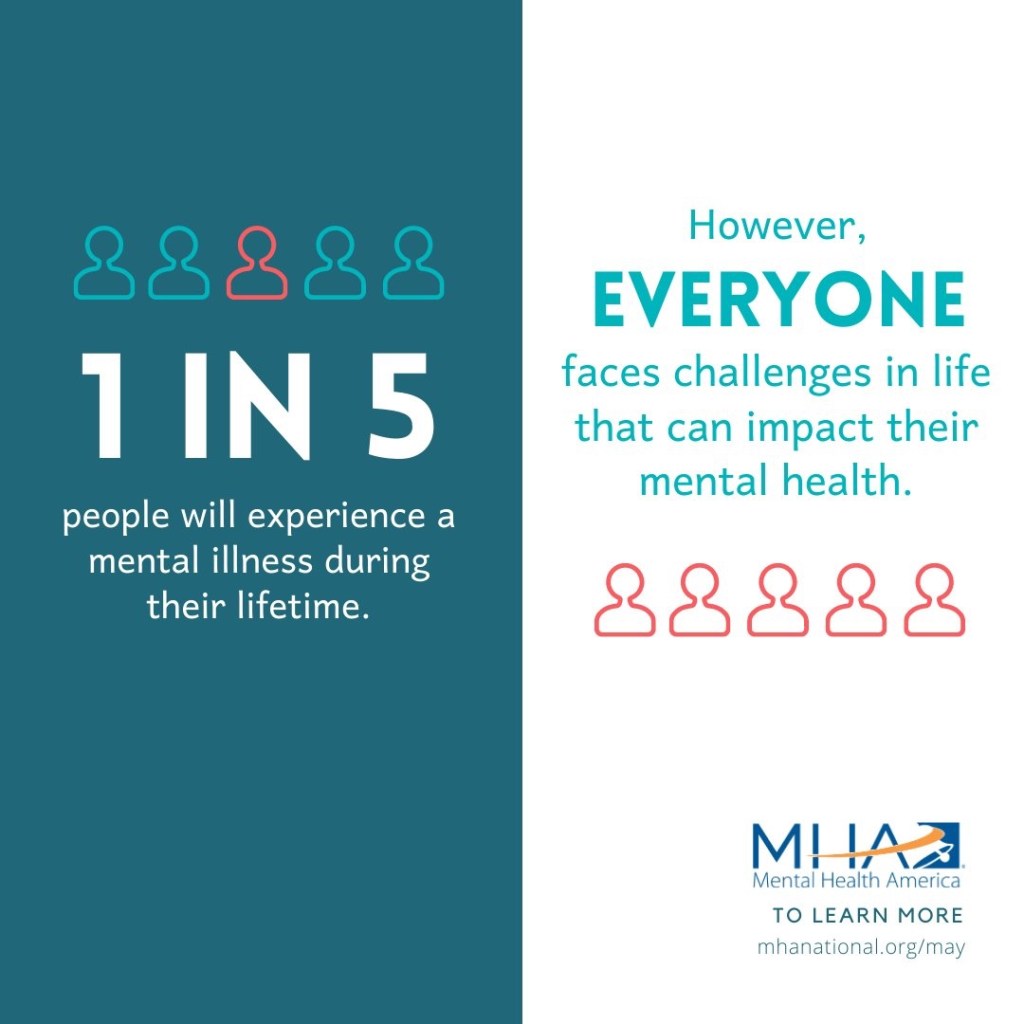
More than 50% will be diagnosed with a mental illness or disorder at some point in their lifetime.
1 in 5 Americans will experience a mental illness in a given year.
1 in 5 children, either currently or at some point during their life, have had a seriously debilitating mental illness.
1 in 25 Americans lives with a serious mental illness, such as schizophrenia, bipolar disorder, or major depression.
The Causes of Mental Illness
There is no single cause for mental illness. A number of factors can contribute to risk for mental illness, such as
- Early adverse life experiences, such as trauma or a history of abuse (for example, child abuse, sexual assault, witnessing violence, etc.)
- Experiences related to other ongoing (chronic) medical conditions, such as cancer or diabetes
- Biological factors or chemical imbalances in the brain
- Use of alcohol or drugs
- Having feelings of loneliness or isolation
 Site Title
Leave a comment